Every cleaning project comes with its own requirements. An office that is operating during business hours needs to be cleaned without disrupting employees’ daily activities. Meanwhile, factories, showrooms, and post-construction sites often require more thorough cleaning, from floors and glass surfaces to areas where dust and dirt have accumulated over time.
Therefore, when providing industrial cleaning services in Hanoi, KlinClean does not apply the same cleaning approach to every project. KlinClean organizes the cleaning process based on the site’s size, condition, and the client’s needs. The process includes site inspections, staff allocation, equipment preparation, cleaning operations, and final quality checks before handover.
1. Site Inspection to Identify the Exact Cleaning Requirements
Before starting any cleaning work, KlinClean needs to assess the actual condition of the site. This step helps determine the workload, identify areas that require cleaning, and understand any specific requirements from the client.During the site inspection, KlinClean evaluates several key factors:
For industrial cleaning services in Hanoi, a thorough initial inspection also helps minimize unexpected tasks or additional work during the cleaning process. It allows clients to clearly understand the scope of work before the cleaning team begins.
2. Developing a Cleaning Plan Suitable for Each Type of Facility
After identifying the areas and tasks that need attention, KlinClean develops a cleaning plan based on the specific characteristics of each site.
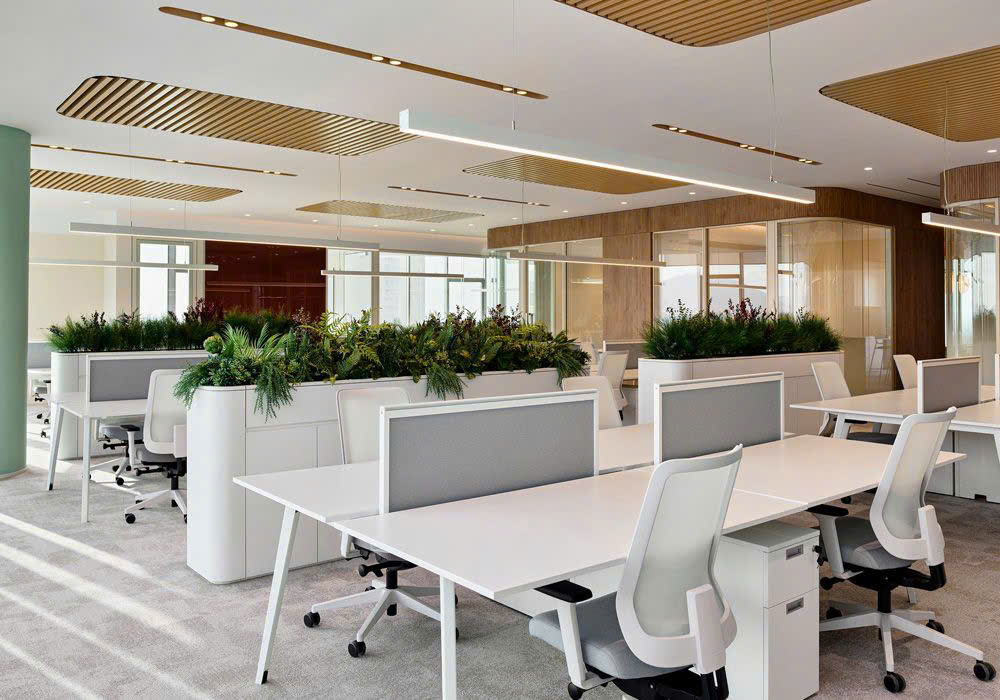
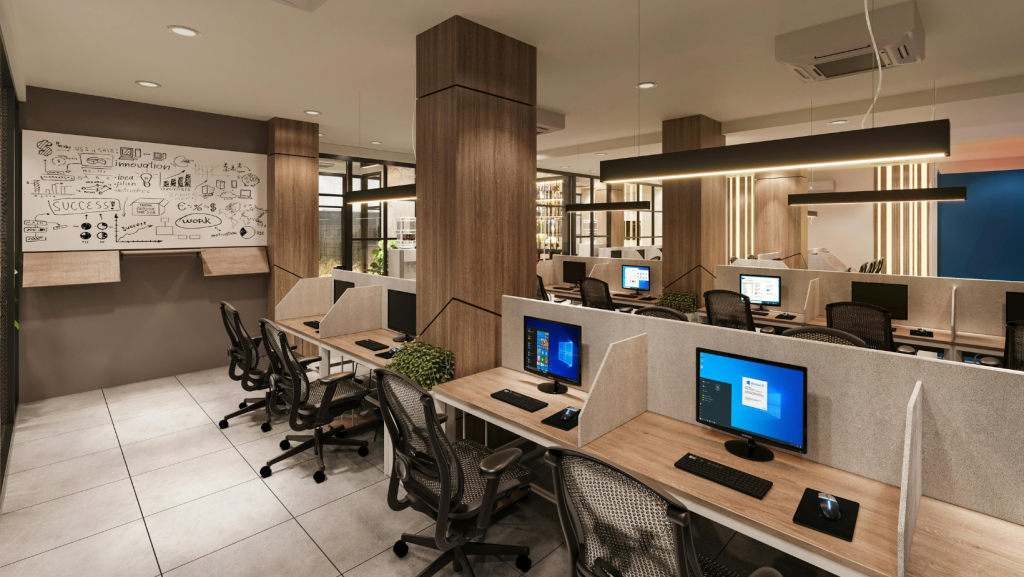
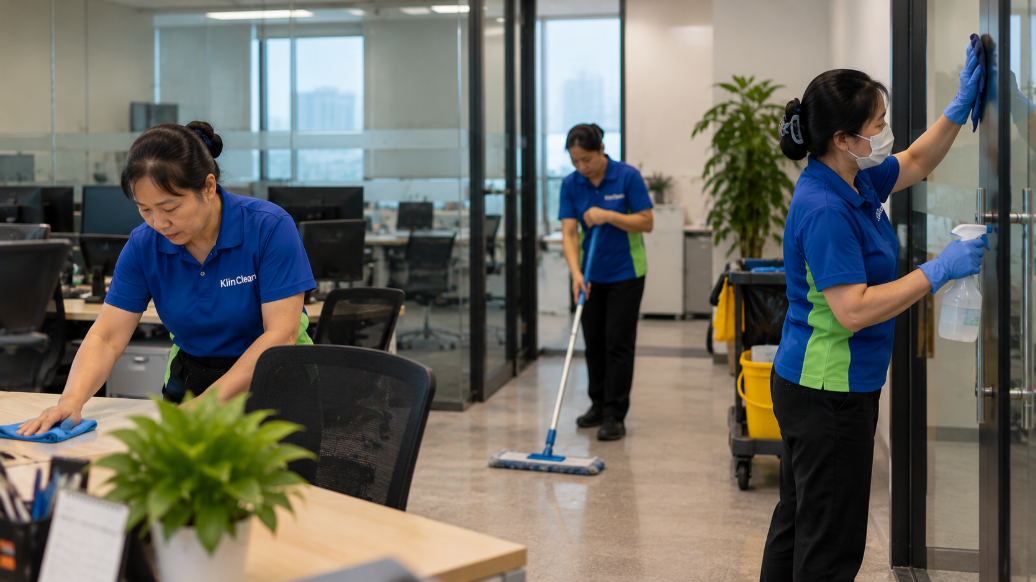
For office buildings, cleaning tasks are usually organized by floor or area to minimize disruption to daily operations. High-traffic areas such as lobbies, hallways, and elevators require careful scheduling to avoid interfering with employees and visitors.
For factories and industrial facilities, cleaning activities also depend on the nature of production operations. Areas containing machinery, equipment, or stored goods need to be discussed with the facility management team in advance to determine the appropriate cleaning scope and avoid disrupting production.
For post-construction projects, KlinClean takes into account the amount of remaining dust, stains on finished surfaces, and the scheduled handover date.
Therefore, although clients may use the same industrial cleaning services in Hanoi, the cleaning plan is adjusted to suit the specific conditions of each location. This approach helps keep the work focused and avoids spending unnecessary time on tasks that are not immediately required.
3. Preparing Staff, Equipment, and Cleaning Tools Before Starting Work
Once the cleaning plan has been agreed upon with the client, KlinClean begins preparing the necessary staff, equipment, and cleaning supplies for the project.
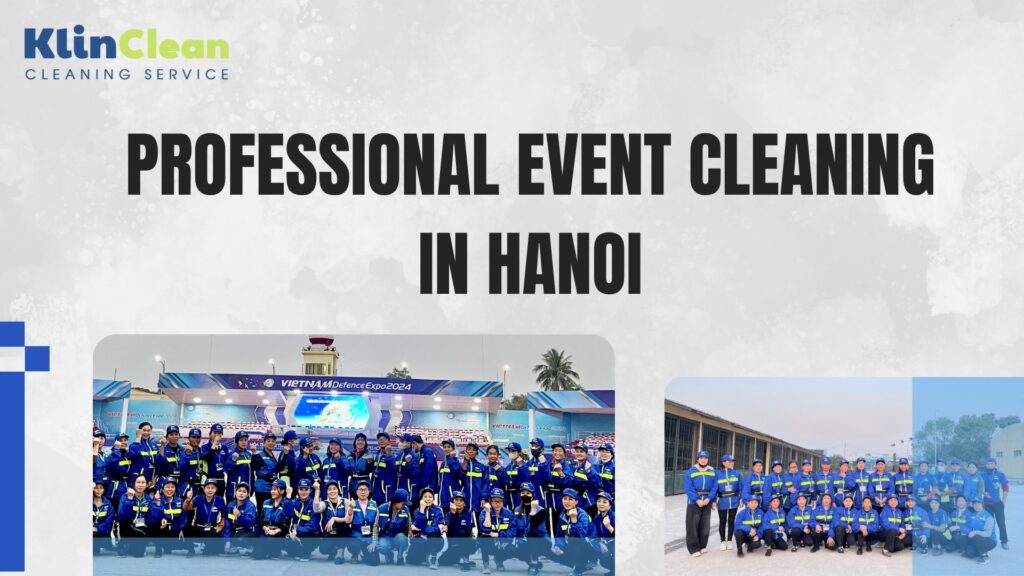
The number of cleaning staff is determined based on the size of the premises, the workload, and the required completion time. For larger projects involving multiple cleaning tasks, the team may be divided into smaller groups, with each group responsible for a specific area to ensure smooth coordination.
In addition to staffing, cleaning machines and tools must be carefully selected to match the requirements of each task. Cleaning chemicals are also prepared according to the types of surfaces involved, rather than using the same product for every cleaning task.
For KlinClean, preparation is an important part of providing industrial cleaning services in Hanoi. It is not simply about bringing enough equipment to the site, but ensuring that every machine, tool, and cleaning product is suitable for the work to be carried out.
4. Cleaning Each Area in a Logical Order to Avoid Repeated Work
When cleaning begins, KlinClean organizes tasks in an order that suits the actual layout and conditions of the site. Related cleaning activities are carefully coordinated to prevent dust, dirt, or water from one task from affecting areas that have already been cleaned.
Generally, the team starts by removing dust from higher surfaces before moving on to glass, furniture, and lower surfaces. Floor cleaning is usually carried out after tasks that may cause dust or debris to fall have been largely completed.
However, this sequence may be adjusted depending on the specific conditions and requirements of each project.
Cleaning Glass, Doors, and Interior Surfaces
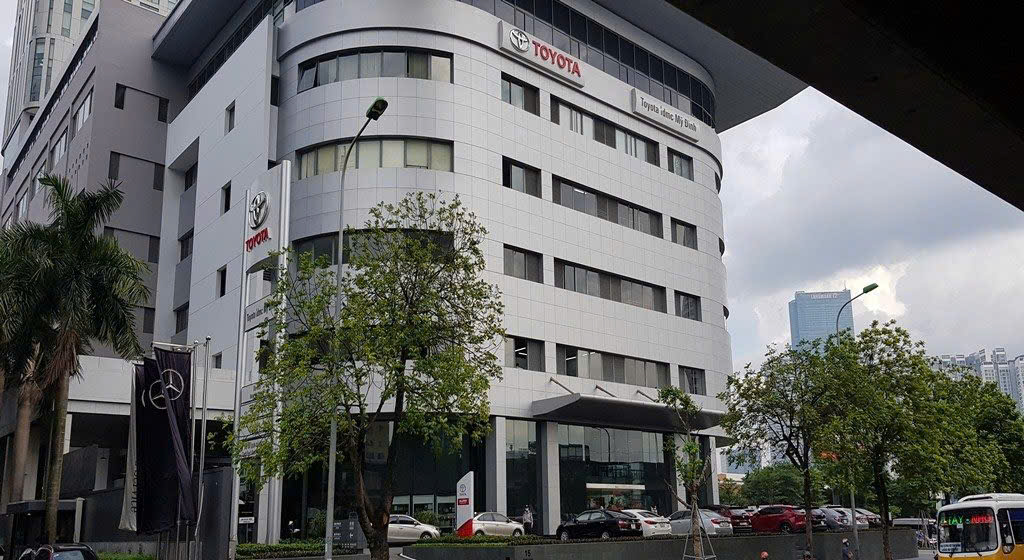
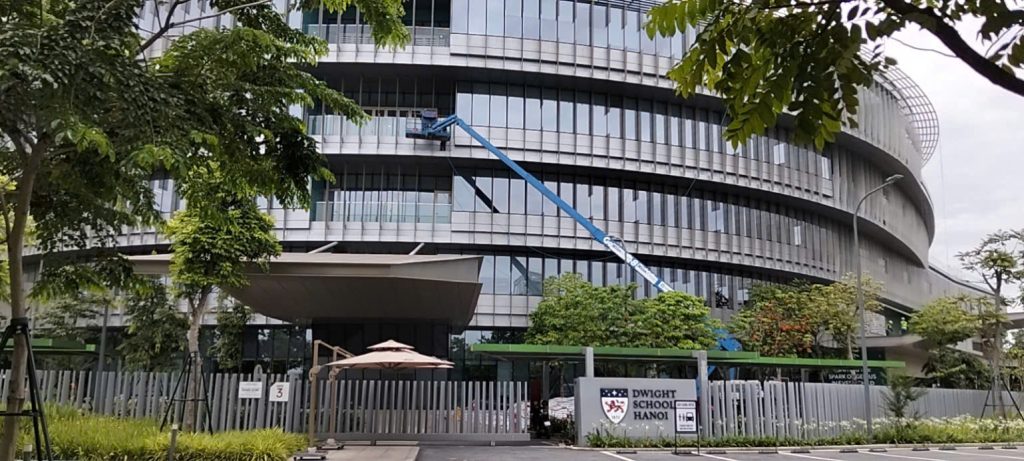
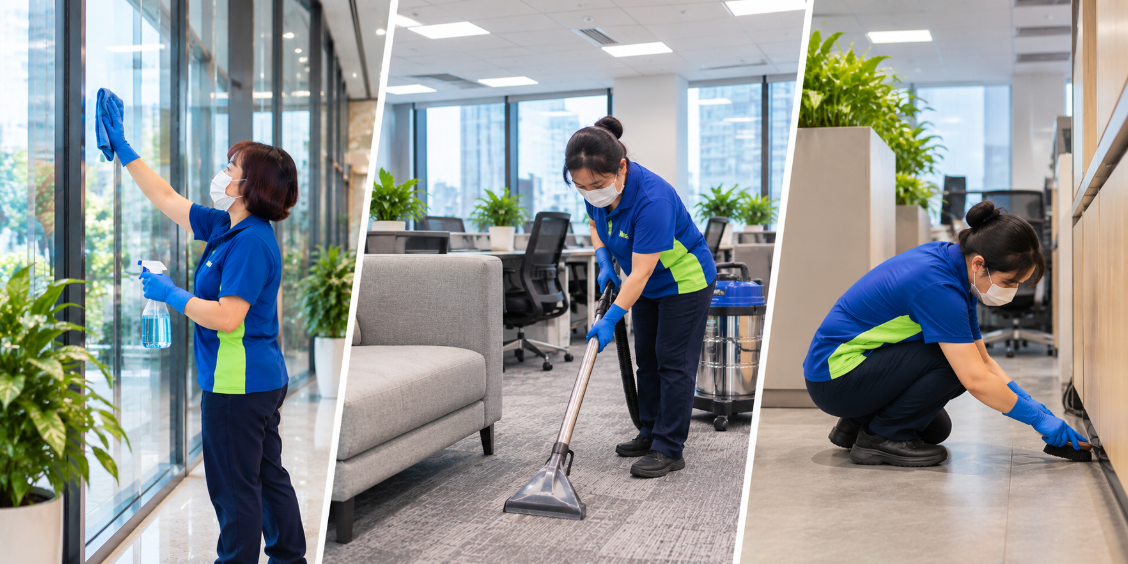
In offices, showrooms, and commercial buildings, KlinClean focuses on cleaning glass surfaces, door frames, and narrow gaps where dust tends to accumulate. Stains and dirt are removed using appropriate tools to minimize the risk of scratching surfaces. When cleaning desks, chairs, cabinets, and other furniture, staff work carefully, especially around electrical equipment and personal belongings.
Floor Cleaning Based on Surface Materials and Dirt Levels
When providing industrial cleaning services in Hanoi, KlinClean selects suitable cleaning methods for each type of flooring. Dust and debris are removed before mopping or scrubbing, while stubborn stains are treated separately. After cleaning, staff inspect the floors to minimize water marks, residue, and areas that may not have been cleaned evenly.
Cleaning Small Areas and Hard-to-Reach Spots
Areas such as skirting boards, room corners, door gaps, and spaces beneath furniture are often difficult to clean thoroughly using machines alone. Therefore, KlinClean combines machine cleaning with manual cleaning techniques to remove remaining dust and dirt, ensuring a more consistent level of cleanliness throughout the premises.
5. Assigning a Supervisor to Monitor Progress During Cleaning Operations
For projects involving multiple cleaning staff, monitoring work progress helps teams coordinate more effectively and address any issues that arise in a timely manner.
During the delivery of industrial cleaning services in Hanoi, the person in charge needs to keep track of which areas have been completed, which tasks are still in progress, and which locations require additional attention.
For example, if an area has more stubborn stains than initially expected, additional staff may be assigned to assist. Meanwhile, completed areas can be inspected early to avoid leaving all quality checks until the end of the project.
The supervisor also serves as the main point of contact for clients when changes arise regarding the cleaning scope, work schedule, or site conditions.
This approach allows issues to be addressed during the cleaning process, helping minimize disruptions and keep the overall project on schedule.
6. Keeping the Work Area Organized and Ensuring Safety
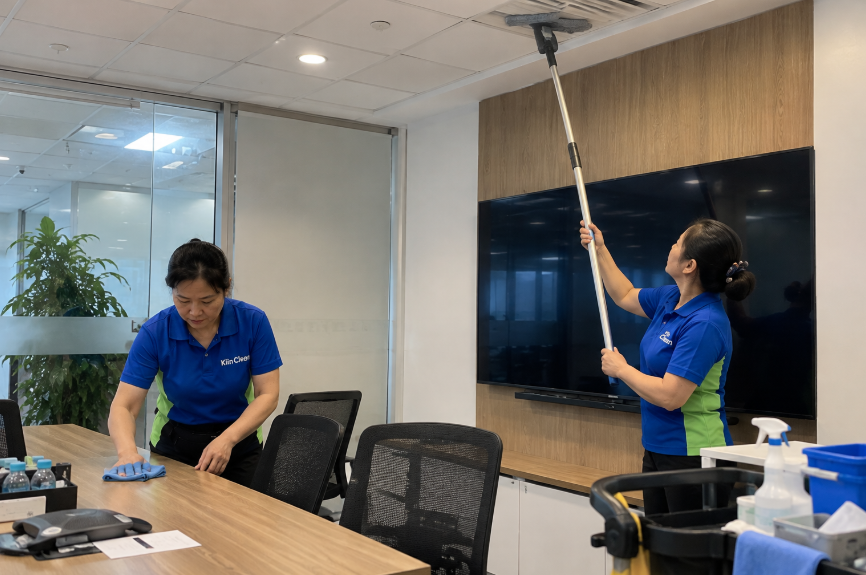
During the cleaning process, KlinClean not only focuses on achieving cleanliness but also ensures that work areas remain tidy and organized, especially in locations where people continue to work or move around.
Cleaning machines, electrical cables, and tools must be positioned appropriately to avoid blocking walkways. Warning signs should be placed in areas where floors are being mopped or where there is a risk of slipping, making potential hazards clearly visible to everyone.
When using cleaning chemicals, staff must follow the manufacturer’s instructions and wear appropriate protective equipment. Tasks performed at heights or near electrical equipment also require a safety assessment before work begins.
These safety measures must be maintained throughout the delivery of industrial cleaning services in Hanoi, particularly in offices, shopping centers, factories, and other facilities where many people are present.
7. Inspecting Each Cleaning Task Before Handover to the Client
After completing the cleaning work, KlinClean conducts a final inspection of all cleaned areas based on the scope of work agreed upon with the client.
At this stage, the inspection goes beyond a general visual assessment and involves carefully checking each cleaning task. For floors, staff look for remaining stains, water marks, or residue after drying. Glass surfaces are examined from different angles to identify any streaks or marks left behind. Areas such as skirting boards, door gaps, and hidden corners are also checked to ensure that no spots have been overlooked.
If any areas do not meet the required standards, staff carry out additional cleaning before completing the job. Afterward, all machines, tools, and cleaning supplies are collected and removed, leaving the premises tidy and ready for the client’s use.
For KlinClean, inspection and handover represent the final stage of providing industrial cleaning services in Hanoi, helping ensure that the completed work meets the requirements previously discussed with the client.
KlinClean Provides Industrial Cleaning Services in Hanoi Tailored to Different Needs
From site inspections and cleaning plans to staff preparation, cleaning operations, and final handover, each stage plays an important role in the industrial cleaning process. When tasks are clearly organized from the beginning, cleaning teams can coordinate more effectively and maintain better control over the quality of their work.
KlinClean provides industrial cleaning services in Hanoi for various types of properties, including offices, commercial buildings, factories, industrial facilities, showrooms, and post-construction sites. Depending on the size of the premises, their cleaning condition, and the client’s required schedule, KlinClean discusses and develops a suitable cleaning plan for each location.
If you are looking for industrial cleaning services in Hanoi for a one-time deep cleaning project or regular cleaning maintenance, contact KlinClean for advice on the appropriate cleaning tasks and service arrangements.
- Standard glass cleaning procedures for industrial cleaning in Ha Noi
- Professional toilet cleaning standards in industrial cleaning in Ha Noi
- KlinClean Provides Post-Event Cleaning Services Following the Car Launch at Toyota My Dinh
- The rigorous selection & training process for cleaning staff at KlinClean – The foundation of exquisite service quality
- KlinClean – Professional Event Cleaning Staff Services