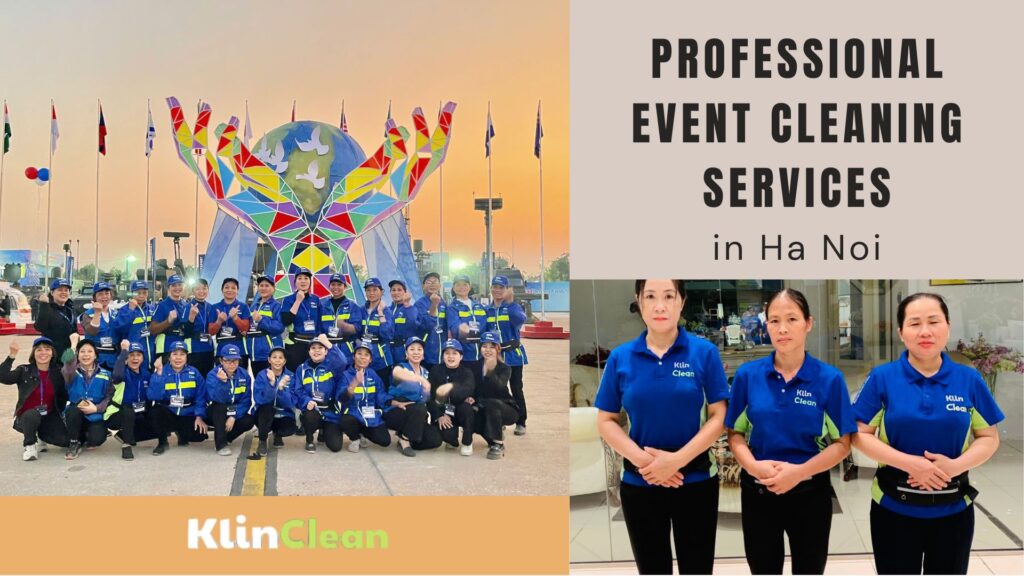
This is where event cleaning plays an important role. The cleaning process must be carefully organized to ensure efficient cleanup while protecting surfaces, furniture, and vehicle display areas. Each cleaning task needs to be coordinated with the dismantling of event setups, equipment removal, and restoration of the venue to its original condition.
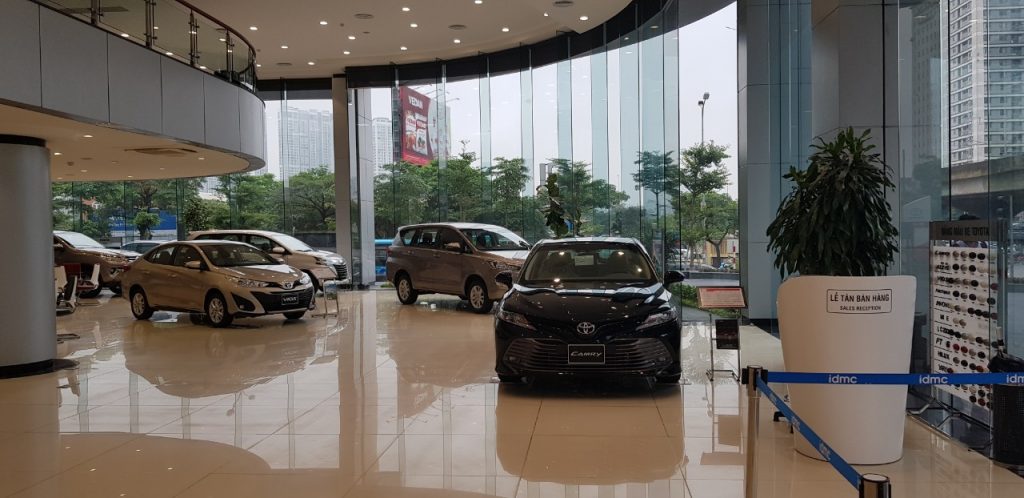
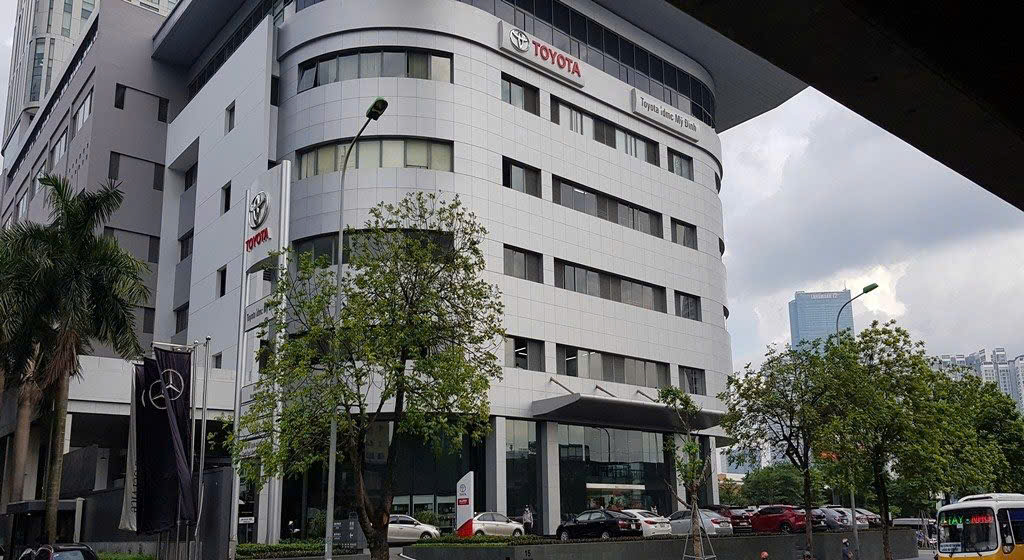
At Toyota My Dinh, KlinClean carried out post-event cleaning and showroom cleanup following the car launch, helping restore a clean, bright, and welcoming space for customers. Behind this well-maintained appearance were many small tasks that required careful attention, from collecting waste to checking hidden corners after event equipment had been removed.
How Should the Showroom Be Restored After a Car Launch Event?
A car launch event can temporarily change how a showroom is used. Vehicle display areas become presentation spaces, walkways are arranged with additional seating, and reception tables accommodate more guests than usual.
Once the event ends, several activities take place at the same time. Technical teams remove equipment, event organizers check and collect their materials, and showroom staff prepare to restore the original layout. Without proper coordination, areas that have already been cleaned may become dusty again or be obstructed by equipment being moved.
Therefore, post-event cleaning after a car launch requires a clear and organized process. Waste should be collected first, followed by cleaning areas that have already been handed over. Spaces previously occupied by event equipment should only be cleaned once dismantling is complete.
This approach helps minimize repeated cleaning and allows different teams to complete their tasks more efficiently.
Waste Collection and Item Removal: The First Step in Restoring the Showroom
Separating Waste from Items That Need to Be Kept
After an event, used tissues, disposable cups, water bottles, and packaging may be left on tables or around guest seating areas. However, not everything left behind should be treated as waste.
Vehicle brochures, unused gifts, decorations, and personal belongings need to be checked before removal. Items with unclear ownership or purpose should be gathered in a designated area and reported to the person in charge.
This is an important part of event cleaning services, as efficiency must always go hand in hand with careful handling. Accidentally discarding an important item could cause inconvenience for event organizers and delay the venue handover process.
Once the items to be collected have been identified, waste is placed in suitable bags or bins to prevent spills or litter during transportation.
Cleaning and Clearing One Area at a Time
Instead of moving back and forth between different locations, cleaning tasks should be organized by specific areas, such as guest seating, reception tables, beverage service stations, and walkways.
In each area, cleaning staff collect items identified as waste, check underneath tables and chairs, and then move on to the next section. This systematic approach makes it easier to track completed areas and reduces the risk of overlooking hidden spots.
Waste bags should be gathered at designated collection points rather than being placed near entrances or displayed vehicles. When large amounts of waste are generated, removal should be carried out in manageable batches to keep walkways clear and accessible throughout the cleaning process.
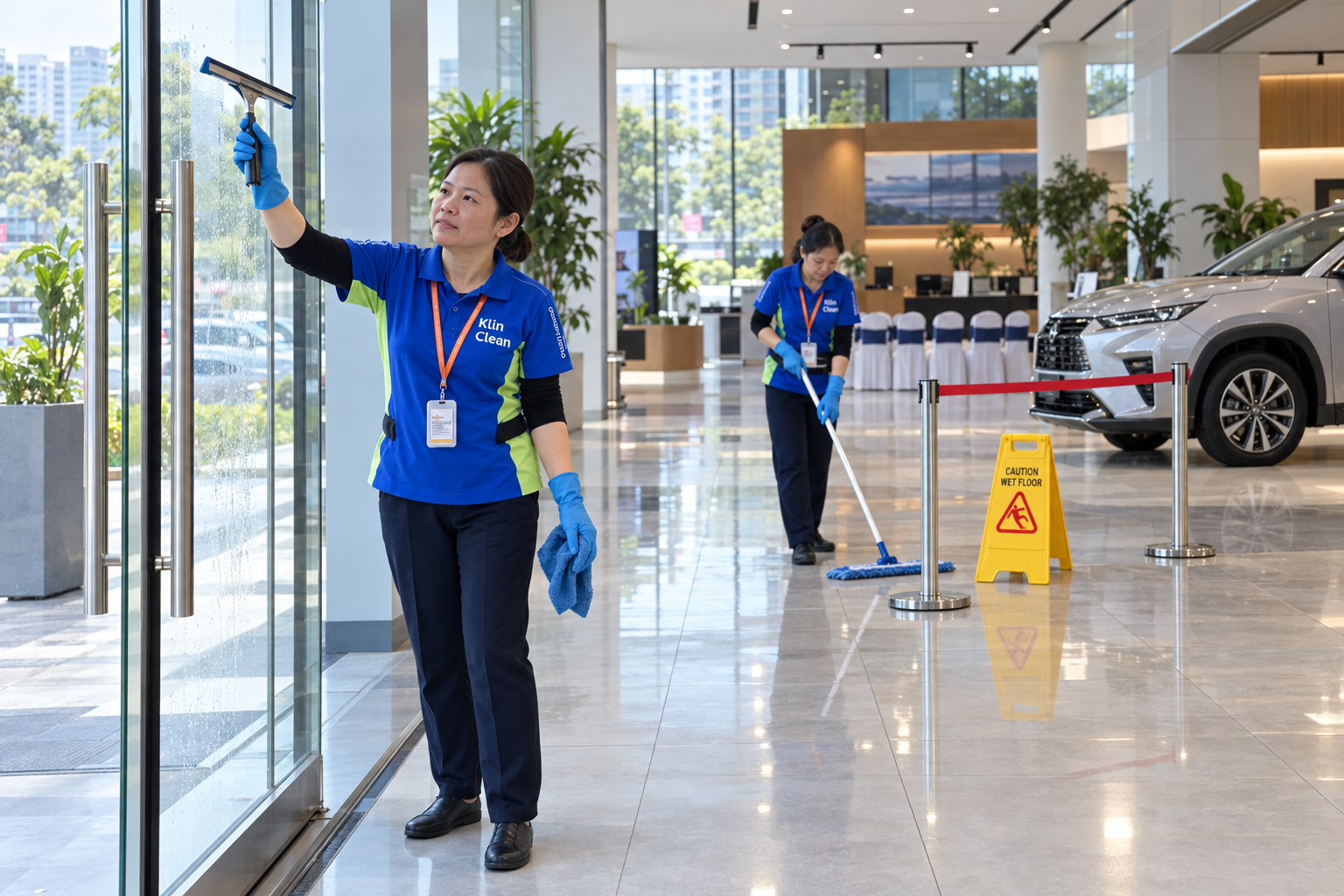
Coordinating with the Dismantling Team to Avoid Overlapping Cleaning Tasks
The stage, backdrop, sound system, and lighting equipment are the responsibility of the technical team. Cleaning staff need to coordinate access times and should not disconnect electrical cables or move technical equipment without authorization.
While one area is being dismantled, the cleaning team can work on other sections that have already been handed over. Once the equipment has been removed, previously covered or hidden areas can be thoroughly inspected and cleaned.
Activities such as moving equipment cases or transporting decorative structures may leave behind additional dust, packaging debris, and wheel marks. Therefore, the flooring along equipment transportation routes should be checked and cleaned again at the final stage.
An effective event cleaning plan needs to take these activities into account. When each team clearly understands where and when others are working, restoring the showroom becomes more efficient while minimizing unnecessary interference or accidental damage.
Cleaning the Showroom Floor After the Event
Removing Small Debris Before Mopping
Once larger waste items have been collected, small pieces of paper, dust, and debris may still remain underneath chairs and around table legs. Mopping immediately could spread these particles across the floor instead of removing them.
Therefore, dust and small debris should be removed before treating stains or marks. Areas beneath seating rows, along skirting boards, and behind furniture require particular attention because they are not always visible from the main walkways.
For showroom flooring, cleaning tools and methods must be suitable for the actual surface material. Cleaning cloths and mop heads should be kept clean to prevent hard particles from being transferred from other areas.
Careful preparation at this stage makes the following cleaning tasks more effective and reduces the risk of leaving marks or residue behind.
Treating Water Stains and Footprints According to Their Condition
After a car launch event, areas with heavy foot traffic often require extra attention. Water marks around beverage tables, footprints near entrances, and stains around guest seating areas can make the floor look uneven or untidy, even after all visible waste has been removed.
Each stain should be assessed before treatment. Strong cleaning chemicals should not be applied to the entire floor simply because a few spots are difficult to clean.
For unidentified stains, the appropriate cleaning method should be determined, and testing on a small, inconspicuous area may be necessary.
During mopping, the amount of water used must be carefully controlled. Wet areas should be clearly marked with warning signs to ensure everyone can move around safely.
Maintaining a Safe Distance Around Display Vehicles
One of the key differences between event cleaning in a car showroom and cleaning other event venues is the need to work near valuable vehicles that require careful protection.
Cleaning carts, mop handles, and electrical cables must be neatly arranged to prevent accidental contact with vehicle bodies. When cleaning floors around display vehicles, staff should pay close attention to their working distance and the direction in which cleaning tools are moved.
Cleaning chemicals should never be sprayed in a direction where they could splash onto vehicles. Cleaning painted surfaces, vehicle windows, or car interiors should only be carried out when these tasks are included in the agreed scope of work and suitable cleaning methods have been established.
Vehicles should only be moved by authorized personnel. If the cleaning team needs access to flooring covered by a vehicle, they must coordinate with the showroom manager.
These precautions help ensure that cleaning activities are carried out safely, with clear responsibilities and without unnecessary risks.
Reception Tables and Beverage Service Areas Require Special Attention
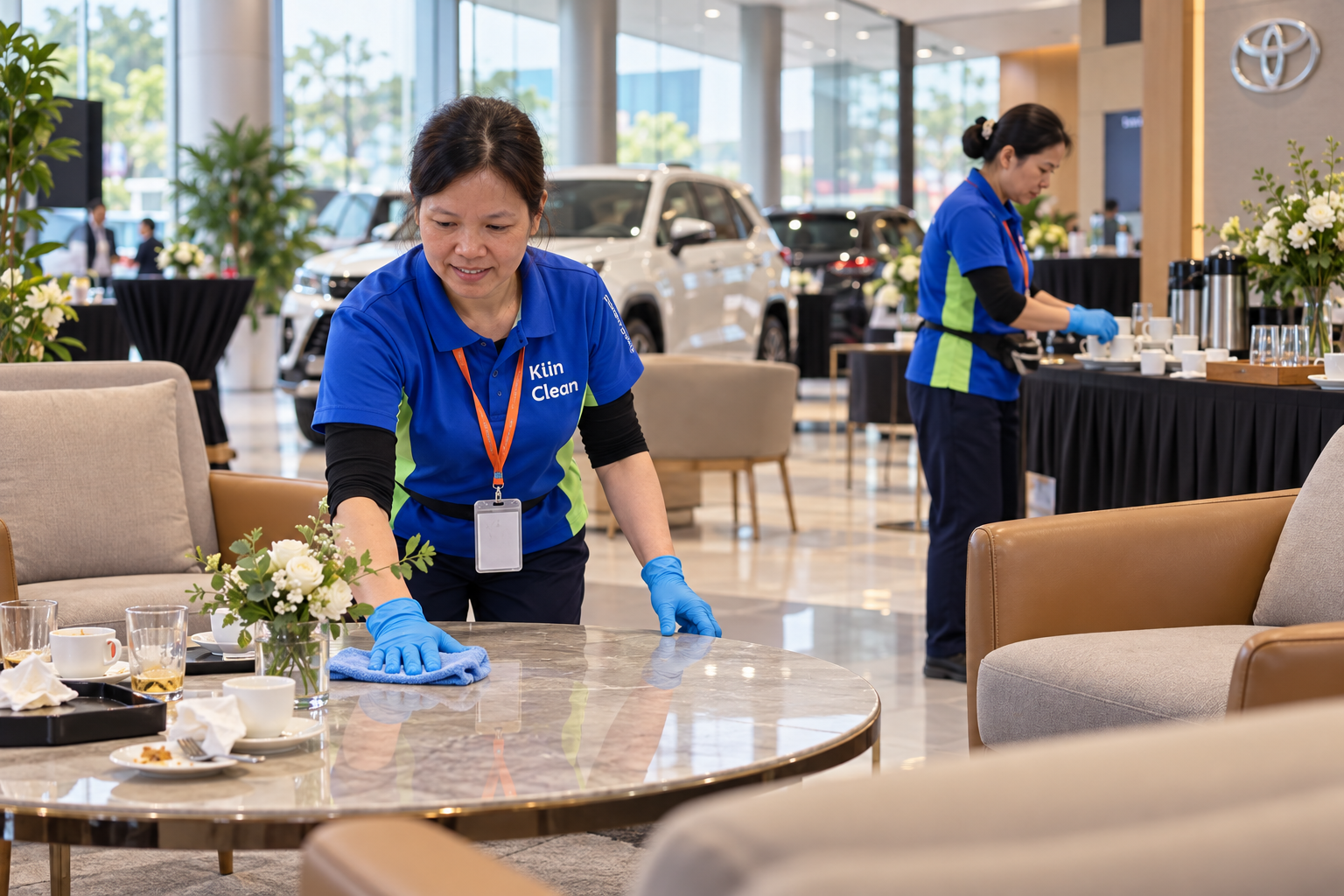
Clearing the Area Before Cleaning Surfaces
Reception areas often have various items left behind after an event, including cups, water bottles, tissues, and documents. Before wiping down surfaces, cleaning staff need to identify which items can be removed and place them in the appropriate locations.
If cups, glasses, or other utensils belong to a rental service, their collection should be coordinated with the responsible provider. Fragile items should be transported using suitable trays or equipment rather than being stacked insecurely.
Once the tables have been cleared, staff can begin removing water marks, cup rings, and accumulated dust. Table legs, chair armrests, and spaces underneath furniture should also be checked.
Properly clearing the area first makes the cleaning process easier and reduces the risk of accidentally moving or damaging items that need to be kept.
Paying Attention to Small Stains and Residue
Coffee spills or sugary drinks can leave sticky residue on surfaces, even when the stains are barely noticeable from a distance. Therefore, checking surfaces after wiping is an essential step.
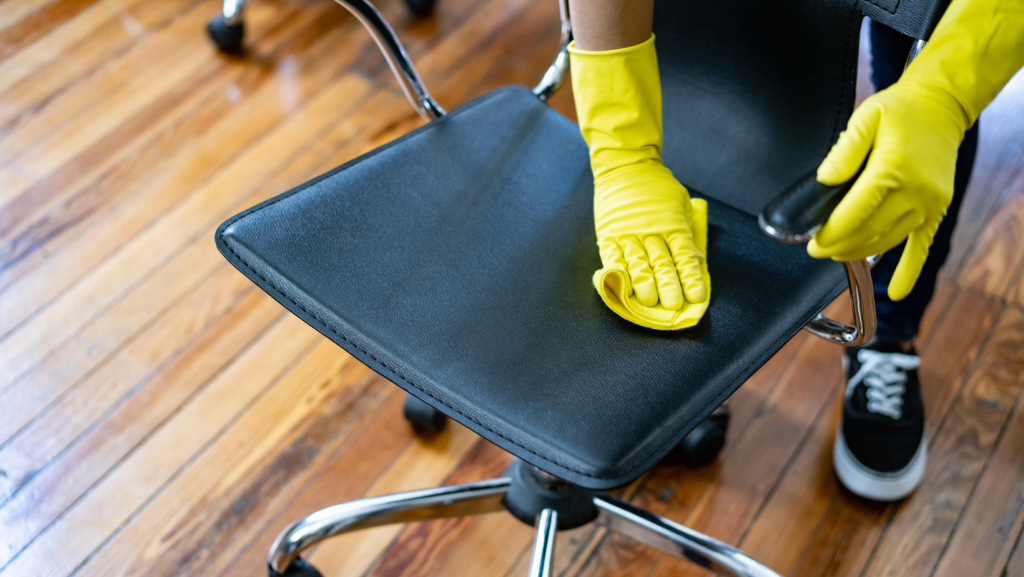
Cleaning cloths and solutions must be suitable for the materials used in tables and chairs. For stains on fabric or leather upholstery, the appropriate treatment method should be determined beforehand to avoid excessive scrubbing or moisture.
If an item requires deep cleaning or upholstery washing, sufficient drying time must be considered before it is used again.
In event cleaning, a thoroughly cleaned reception area helps the showroom quickly resume its regular customer consultation and reception activities.
Cleaning Glass Doors and Frequently Touched Surfaces
During a car launch event, entrance doors and glass partitions may accumulate fingerprints and smudges. Under showroom lighting, these marks can become particularly noticeable, especially around door handles.
Cleaning should cover glass surfaces, edges, and frames within the agreed scope of work. Using suitable tools helps remove dirt and fingerprints while minimizing water streaks.
After cleaning, glass surfaces should be inspected from different angles, as some marks only become visible when light hits them from a particular direction.
Door handles and other frequently touched surfaces should also be checked carefully.
For high or difficult-to-reach areas, appropriate equipment and safe working methods must be used. Event chairs should never be used as makeshift platforms for cleaning.
Clean glass doors, tidy entrances, and well-maintained reception areas all contribute to restoring the showroom’s professional appearance.
Inspecting Supporting Areas Within the Cleaning Scope
In addition to the main showroom, areas used by event guests may also require cleaning after the program.
If included in the agreed scope of work, restrooms, hallways, and equipment collection areas should be inspected before the final handover.
In restrooms, attention should be given to floors, sinks, mirrors, sanitary fixtures, and accumulated waste. Consumable supplies should be checked according to the responsibilities previously agreed upon.
In hallways and equipment transportation routes, dust and packaging debris may appear after technical teams have moved their equipment out. These areas should be inspected once all transportation activities are complete.
Cleaning tools must be appropriately assigned to different areas. In particular, cloths and equipment used in restrooms should be kept separate from those used in reception and customer seating areas.
A comprehensive inspection helps ensure that post-event cleaning is completed consistently throughout the venue, rather than focusing only on the most visible spaces.
Final Inspection Before Handing Over the Showroom
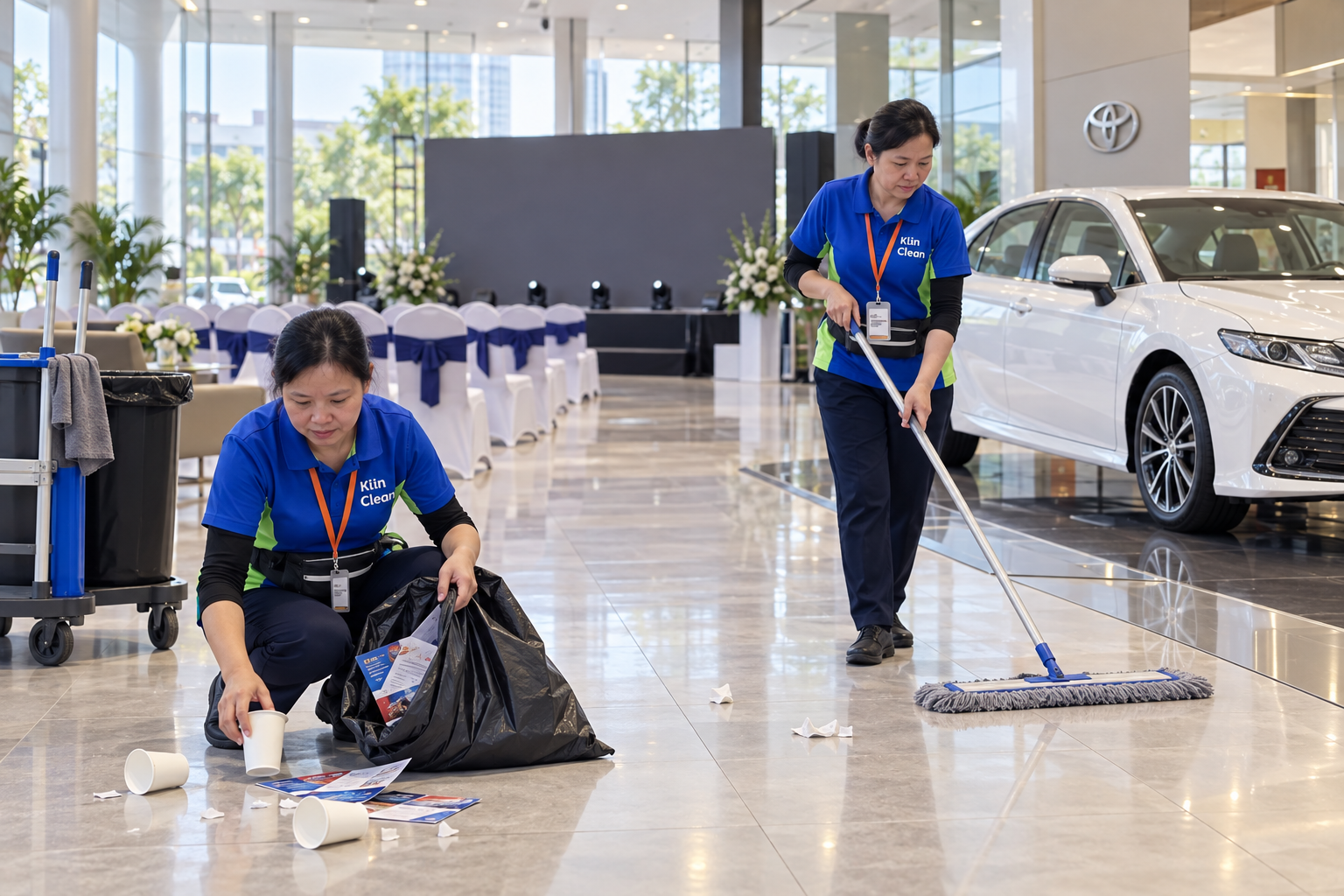
The final handover checklist may include:
– All waste has been collected and transferred to designated disposal areas.
– Floors are free from small debris, standing water, and unmarked slippery spots.
– Reception tables and other designated surfaces have been thoroughly cleaned.
– Glass doors and partitions have been checked for fingerprints and cleaning streaks.
– Hidden areas underneath tables, chairs, and behind equipment have been inspected.
– Cleaning tools, waste bags, and chemicals have been removed from walkways.
The final inspection should be conducted together with the person responsible for the venue to identify any remaining tasks that need attention.
For items with unidentified owners, cleaning staff should clearly communicate where they have been collected and stored.
Event cleaning is considered complete when all assigned tasks have been inspected, the venue is ready for use, and any outstanding issues have been clearly reported.
KlinClean Helps Restore Your Venue After Events
Cleaning up after a car launch is an important part of restoring the showroom to its normal operating condition. The process requires careful staff, appropriate cleaning equipment, and effective coordination with event organizers, technical teams, and venue management.
Through its post-event showroom cleaning services at Toyota My Dinh, KlinClean focuses on restoring the space through a well-organized process: waste collection, thorough cleaning, final inspection, and handover.
Each step contributes to bringing vehicle display areas, customer reception spaces, and walkways back to a clean, tidy, and welcoming condition.
If your business is preparing for a product launch, conference, or showroom event, contact KlinClean to discuss a suitable event cleaning service.
Agreeing on the scope of work, cleaning schedule, and coordination responsibilities in advance will help ensure a smoother and more efficient cleanup once the event has ended.