In the field of specialized cleaning, particularly post-construction or within large-scale projects, the two concepts of “rough cleaning” and “fine cleaning” are frequently mentioned. However, not every business clearly understands the difference between these two stages, leading to improper implementation of procedures, which directly affects the quality of the handover.
In major urban areas like Hanoi, the demand for industrial cleaning is increasingly rising, especially for office buildings, factories, and commercial centers. Understanding the nature of each cleaning stage will help businesses optimize costs and time while achieving maximum cleanliness standards.
The following article provides a detailed analysis of the differences between rough cleaning and fine cleaning in industrial cleaning, along with important notes during implementation.
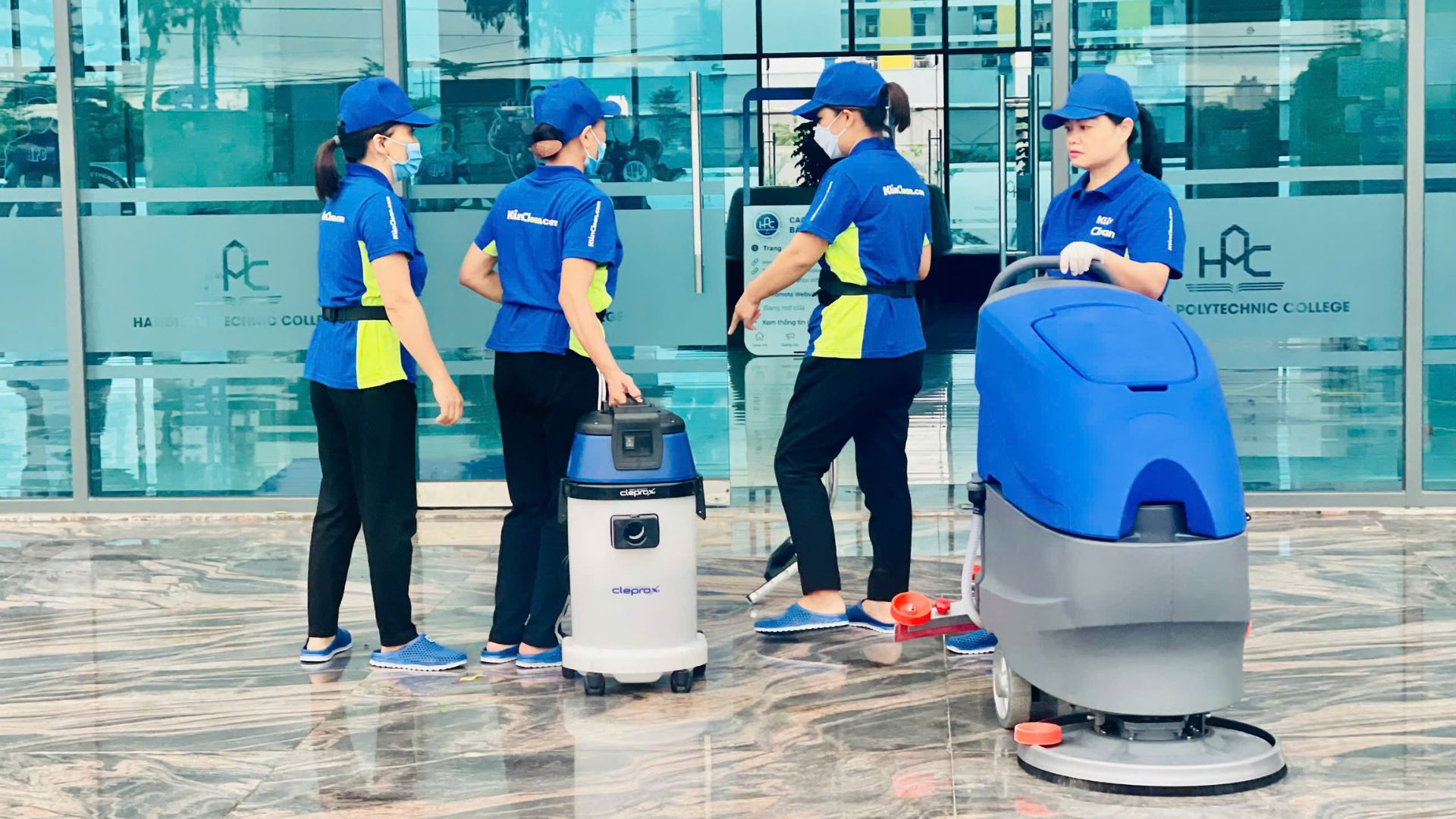
1. Overview of industrial cleaning in practice
Industrial cleaning is a large-scale cleaning process that utilizes specialized machinery, chemicals, and technical procedures to remove dirt, waste, and stains from the surfaces of a project.
Unlike conventional cleaning, industrial cleaning is typically applied in cases such as:
– Post-construction or project renovation.
– Periodic general cleaning of factories and buildings.
– Specialized deep cleaning before handover.
A standard industrial cleaning process usually consists of two main stages:
– Rough cleaning
– Fine cleaning
Each stage plays a unique role and cannot be substituted for the other.
2. What is rough cleaning?
Rough cleaning is the first step in the industrial cleaning process, focusing on the removal of large waste and debris left over after the construction process.

Characteristics of rough cleaning
At this stage, the work is primarily “basic tidying,” including:
– Collecting construction waste (cement, broken bricks, packaging).
– Sweeping and vacuuming surfaces.
– Removing surplus materials.
The primary goal of rough cleaning is to create a preliminary clean site to prepare for the more detailed cleaning steps. In practice, many industrial cleaning projects face significant difficulties in later stages if this step is skipped or performed poorly.
Role of rough cleaning
Rough cleaning helps:
– Eliminate obstacles to the deep cleaning process.
– Reduce the workload for the fine cleaning stage.
– Avoid damaging equipment when treating surfaces.
This is the foundational step that determines the efficiency of the entire industrial cleaning process.
3. What is fine cleaning?
After completing the rough cleaning, the project moves to the fine cleaning stage. This is a detailed cleaning step that focuses on aesthetics and the final finish.
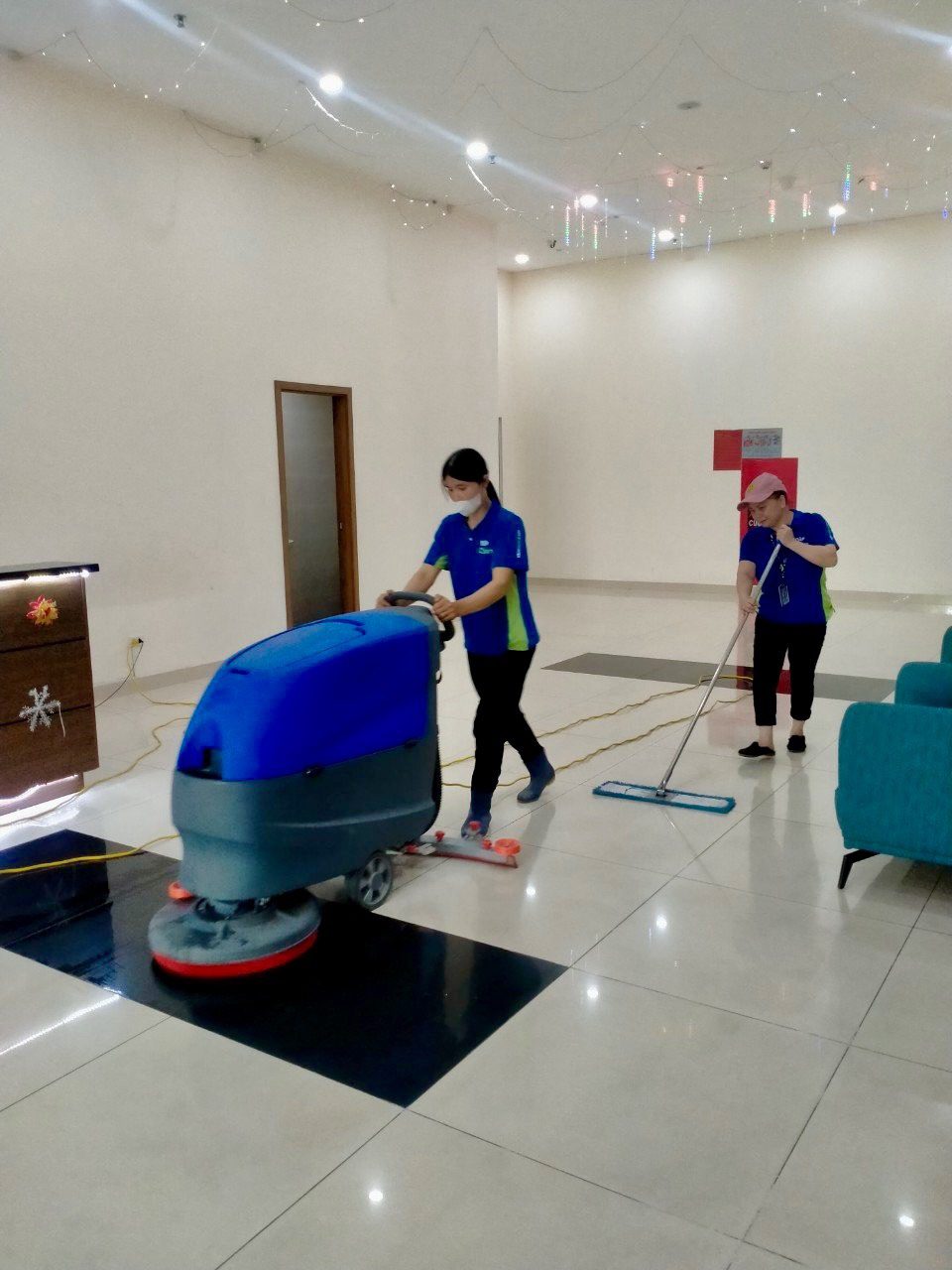
Characteristics of fine cleaning
Fine cleaning includes tasks such as:
– Cleaning glass, door frames, and interior surfaces.
– Removing paint, glue, and cement stains from surfaces.
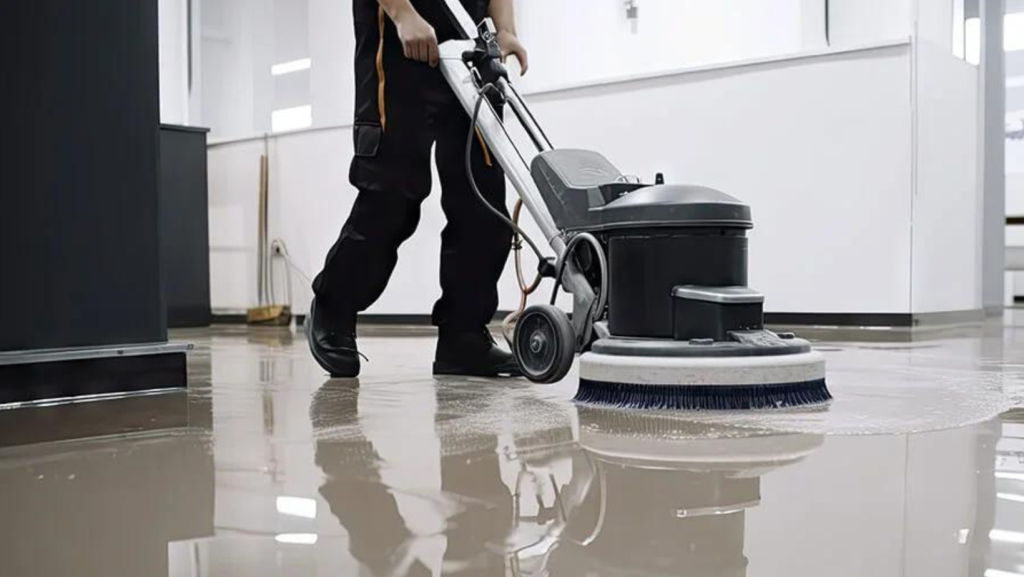
– Polishing floors (stone, tile, concrete).
– Disinfection and deep cleaning.
Unlike rough cleaning, this stage requires:
– High technical skill.
– Use of appropriate chemicals.
– Experienced personnel.
In industrial cleaning projects, fine cleaning is the decisive factor for the quality of the handover and the impression made on the customer.
Role of fine cleaning
Fine cleaning helps:
– Perfect the surfaces of the project.
– Ensure standards of cleanliness and safety.
– Enhance aesthetic value.
This is the final step before the project is put into use.
4. Comparing rough cleaning and fine cleaning in industry
To understand better, these two stages can be compared based on the following criteria:
| Criteria | Rough cleaning | Fine cleaning |
| Objective | Basic cleaning, removal of large waste. | Detailed cleaning, project finishing. |
| Nature of work | Simple, tidying-oriented. | Complex, requires technical expertise. |
| Equipment & chemicals | Basic tools, minimal chemicals. | Specialized machinery, professional chemicals. |
| Timing | Post-construction. | Prior to handover. |
| Level of impact | Affects progress. | Affects quality and brand image. |
In actual implementation, these two stages always go hand-in-hand and must be performed in the correct order.
5. Common mistakes during implementation
Many businesses encounter problems during the industrial cleaning process due to misunderstandings or incorrect procedures.
Skipping rough cleaning
Some units skip rough cleaning to save time. This leads to:
– Making fine cleaning much more difficult.
– Increased costs and time.
– Reduced cleaning efficiency.
Performing fine cleaning before completing rough cleaning
If fine cleaning begins before all large waste is handled, the results usually fail to meet requirements.
Using the wrong chemicals
This is a serious error that can cause:
– Surface damage.
– Health impacts.
– Increased repair costs.
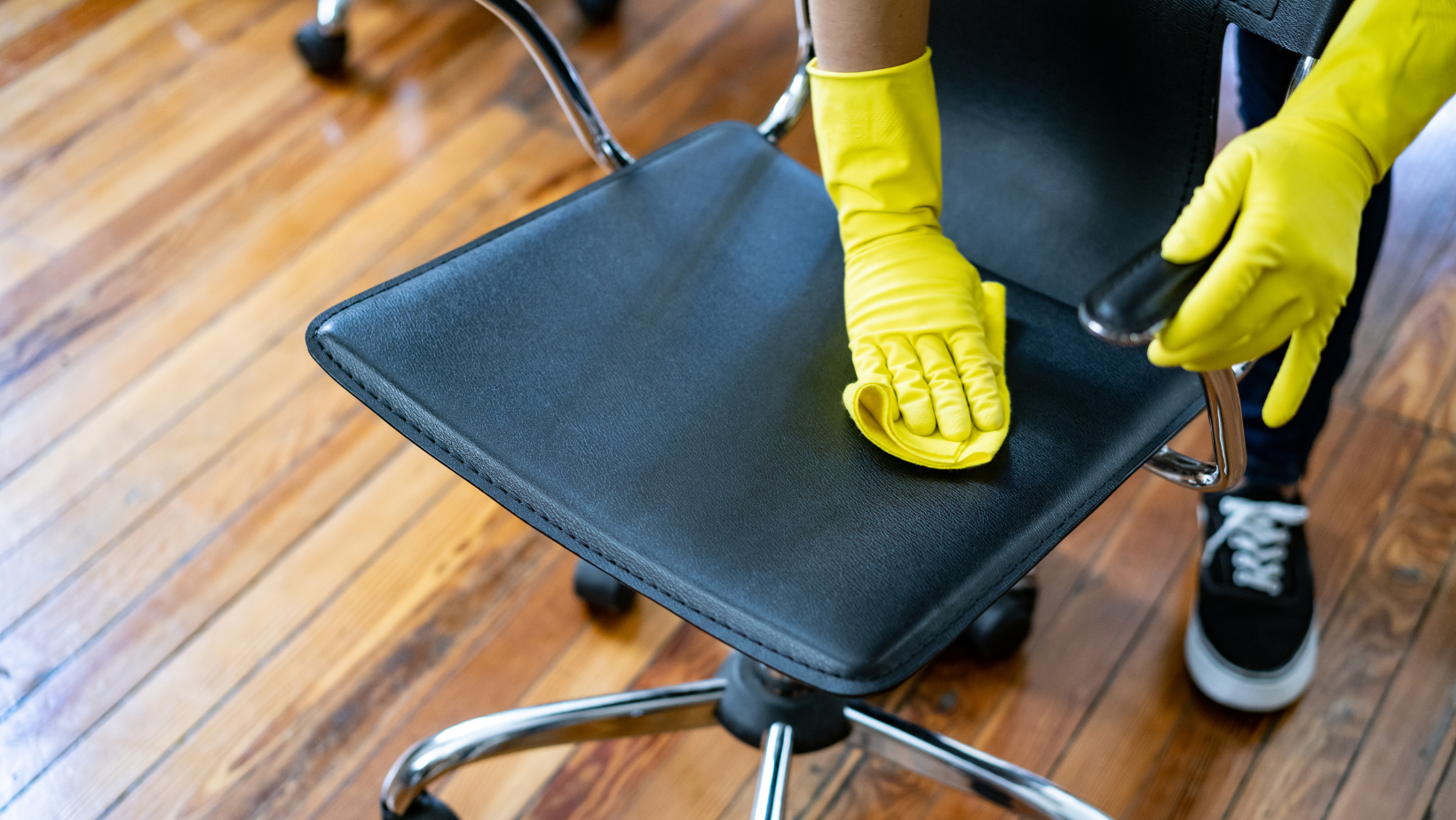
6. Standard industrial cleaning procedure
To achieve optimal efficiency, the following procedure should be followed:
-
Project survey.
-
Establishment of a cleaning plan.
-
Execution of rough cleaning.
-
Inspection and transition to fine cleaning.
-
Finishing and final acceptance.
Professional industrial cleaning units always have a clear process to ensure consistent quality.
7. The role of professional cleaning units
Industrial cleaning is not just manual labor; it is a job that requires technique and experience. A professional unit will:
– Clearly separate rough and fine cleaning.
– Use appropriate equipment.
– Ensure progress and quality.
In a competitive market, choosing the right industrial cleaning partner helps businesses save long-term costs and avoid risks.
8. Benefits of understanding rough and fine cleaning
When these two stages are clearly understood, businesses can:
– Plan cleaning effectively.
– Optimize the budget.
– Ensure project quality.
Especially in large projects, applying the correct industrial cleaning procedure is a decisive factor for success.
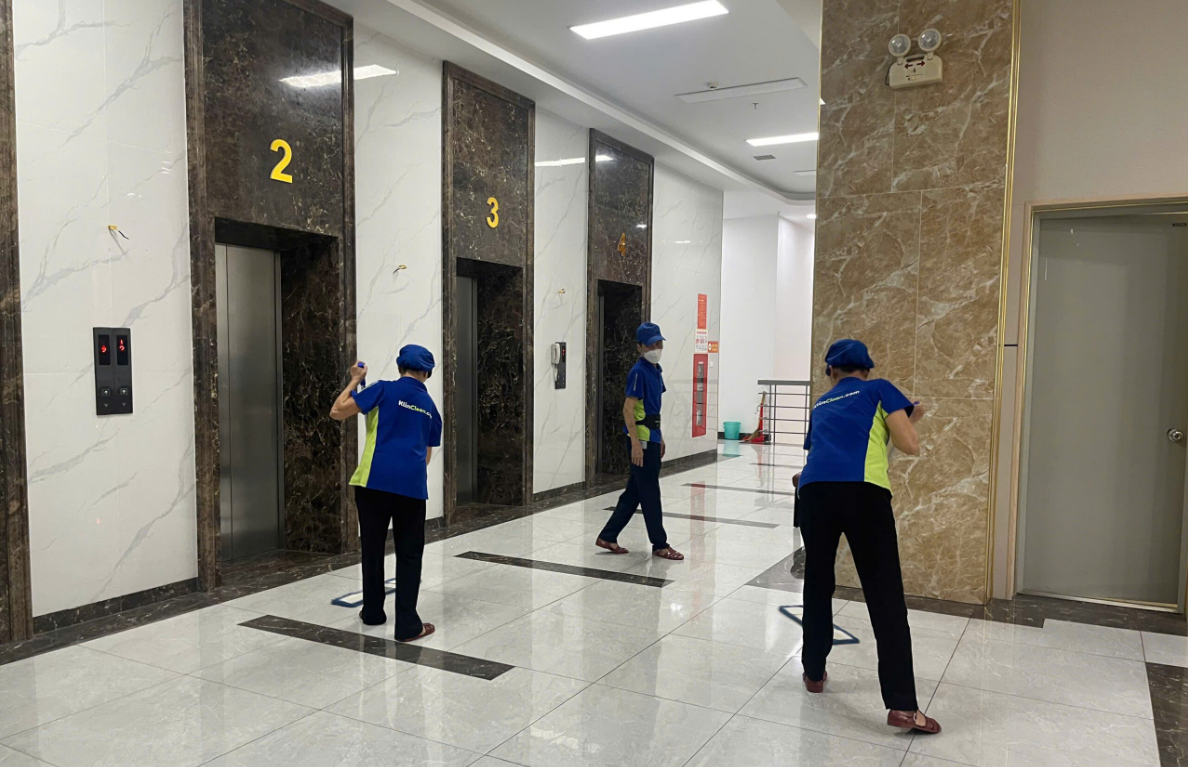
Rough cleaning and fine cleaning are two inseparable stages in the industrial cleaning process. Each step has its own role, complementing each other to create a project that is clean, finished, and meets usage standards.
In reality, many arising issues stem from a misunderstanding or incomplete execution of these two stages. Therefore, investing in a proper process and selecting a professional industrial cleaning unit is the optimal solution to ensure long-term efficiency. A clean project is not just an aesthetic requirement but also reflects the professionalism and prestige of the business.
- Professional office cleaning service in Ha Noi – KlinClean
- KlinClean – Professional and Leading Industrial Cleaning Services in Ha Noi
- 5 factors determining the quality of office cleaning services in Ha Noi
- KlinClean’s 5 step ISO standard office cleaning process
- KlinClean’s professional A–Z exhibition cleaning standard operating procedure