After completing a new home or installing new furniture, many homeowners feel reassured once the smell of paint or new wood gradually disappears. However, this does not necessarily mean the indoor air is truly safe. In reality, Formaldehyde can continue to be emitted from building materials and furniture for months or even years.
Formaldehyde is one of the most common indoor air pollutants today. It is a volatile organic compound (VOC) commonly found in engineered wood, adhesives, paints, curtains, sofas, wooden flooring, and many other finishing materials. When Formaldehyde concentrations exceed safe limits, this gas can negatively affect the respiratory system, eyes, skin, and long-term health.
So, how can you tell if your home has a high concentration of Formaldehyde? Below are some common warning signs you should not ignore.
Why is formaldehyde difficult to detect?
The greatest danger of Formaldehyde is that it cannot be seen with the naked eye. Unlike dust or mold, Formaldehyde exists as a gas, making it extremely difficult to detect through simple observation.
Many people assume that once the smell of new furniture disappears, the Formaldehyde is gone as well. This is a common misconception. The pungent odor is only an initial indicator, while Formaldehyde can continue to be released at significant levels even after occupants have become accustomed to the smell and no longer notice it.
Therefore, if your home has recently been built, renovated, or furnished with a large amount of engineered wood furniture, assessing indoor air quality and considering a professional Formaldehyde removal service is highly recommended.
A persistent pungent odor even after several weeks
One of the easiest signs to recognize is a persistent sharp or chemical-like smell throughout the house. This odor is often more noticeable when windows and doors remain closed or when the air conditioner runs continuously. If the smell remains for weeks or even months after construction has been completed, Formaldehyde is likely still being released from furniture and interior materials.
Many people try to mask the odor with essential oils or air fresheners. However, these are only temporary solutions and do not reduce the concentration of harmful gases. In such cases, a professional Formaldehyde removal service addresses the source of emissions rather than simply covering up the smell.
Frequent eye irritation and watery eyes
If your eyes become irritated, red, or watery while you are indoors, but the symptoms quickly disappear after leaving the house, this may be your body’s reaction to Formaldehyde.
This gas can irritate the eyes even at relatively low concentrations. Individuals with sensitive constitutions and young children often experience symptoms earlier than healthy adults.
Headaches, dizziness, and unexplained fatigue
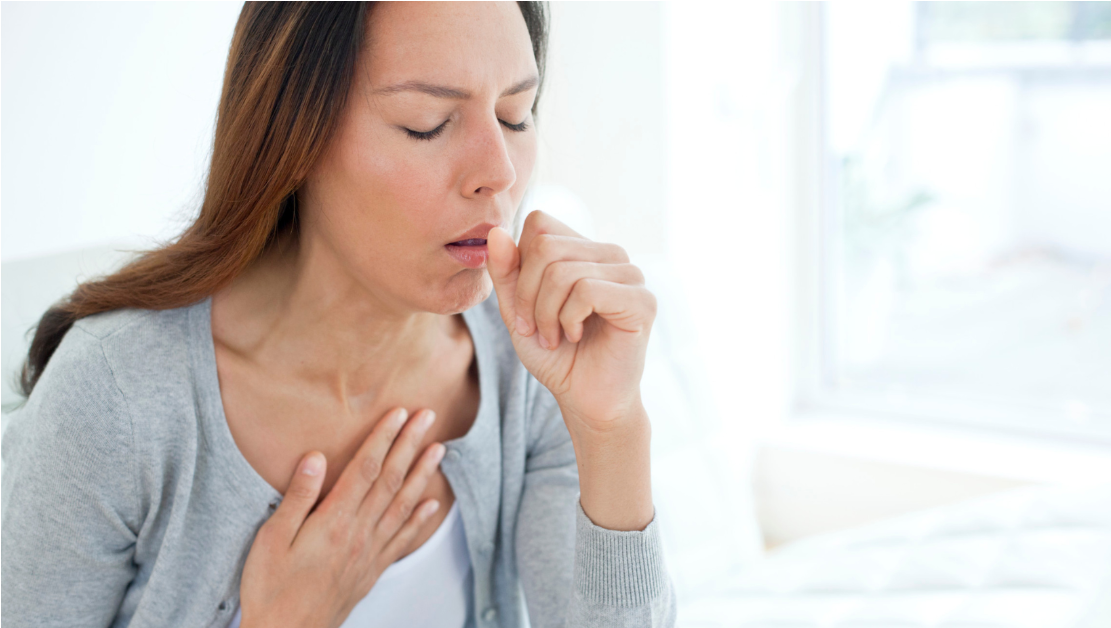
Many people experience frequent headaches, difficulty concentrating, or fatigue after moving into a new home, even though they have no obvious medical conditions. These symptoms are often mistaken for work-related stress or lack of sleep.
If these symptoms occur only while you are at home and gradually improve once you leave, poor indoor air quality should be considered a possible cause. This is also the right time to test Formaldehyde levels and take appropriate corrective action.
Dry cough, sore throat, and respiratory irritation
Formaldehyde is known to strongly irritate the respiratory system. Long-term exposure may cause symptoms such as a persistent dry cough, itchy throat, frequent sneezing, or nasal congestion.
These symptoms are often more severe in older adults, young children, and individuals with respiratory diseases. If your household includes vulnerable family members, using a professional Formaldehyde removal service after completing your home can significantly reduce potential health risks.
Young children frequently crying or developing allergies
Children are among the groups most vulnerable to Formaldehyde because their immune and respiratory systems are still developing. Living in an environment with elevated Formaldehyde levels may cause them to cry more frequently, sleep poorly, develop persistent coughing, or experience skin allergies.
If your family has recently moved into a new apartment and your child begins showing unusual symptoms, you should consider checking the indoor air quality rather than focusing solely on treating the symptoms.
A newly furnished home with extensive engineered wood furniture
Today, most kitchen cabinets, wardrobes, beds, and desks are made from engineered wood. During manufacturing, these products often use adhesives containing Formaldehyde to improve strength and durability.
The more newly installed furniture there is within an enclosed space, the greater the risk of Formaldehyde accumulation. This is why many homeowners, businesses, and property developers choose professional Formaldehyde removal services immediately after interior installation.
A recently renovated or remodeled home
Furniture is not the only source of Formaldehyde. Materials such as paint, adhesives, wallpaper, and finishing products also release considerable amounts of this chemical. After renovation, many homeowners simply ventilate the space for a few days before moving in, unaware that harmful gases continue to be emitted for an extended period.
For newly renovated properties, testing and treating Formaldehyde helps ensure a safe indoor environment before occupancy.
Poor ventilation and limited air circulation
Homes that remain closed most of the time, rely heavily on air conditioning, or have inadequate ventilation systems tend to accumulate Formaldehyde more quickly. Poor air circulation prevents the gas from escaping, increasing the health risks for everyone living inside.
The most accurate way to confirm formaldehyde levels is through professional testing
Although the warning signs above can help identify potential risks, they cannot accurately determine the actual concentration of Formaldehyde in indoor air. The most reliable method is to use specialized testing equipment to measure indoor air quality.
The test results reveal the current Formaldehyde concentration, identify areas with higher emission levels, and provide the basis for selecting the most appropriate treatment method. This is also the first step in the process followed by professional Formaldehyde removal service providers.
When should you use a professional formaldehyde removal service?
If your home has just been completed, recently handed over, newly furnished, or is occupied by elderly people, young children, or pregnant women, you should proactively assess the indoor air quality. If you notice persistent chemical odors, eye irritation, dry cough, or testing indicates that Formaldehyde levels exceed safe standards, a professional Formaldehyde removal service can eliminate the source of emissions more effectively than conventional methods.
Professional service providers typically follow a comprehensive process that includes site inspection, air quality testing, Formaldehyde treatment, and post-treatment evaluation to ensure Formaldehyde concentrations are reduced to safe levels. They also provide recommendations for maintaining healthy indoor air quality over the long term.
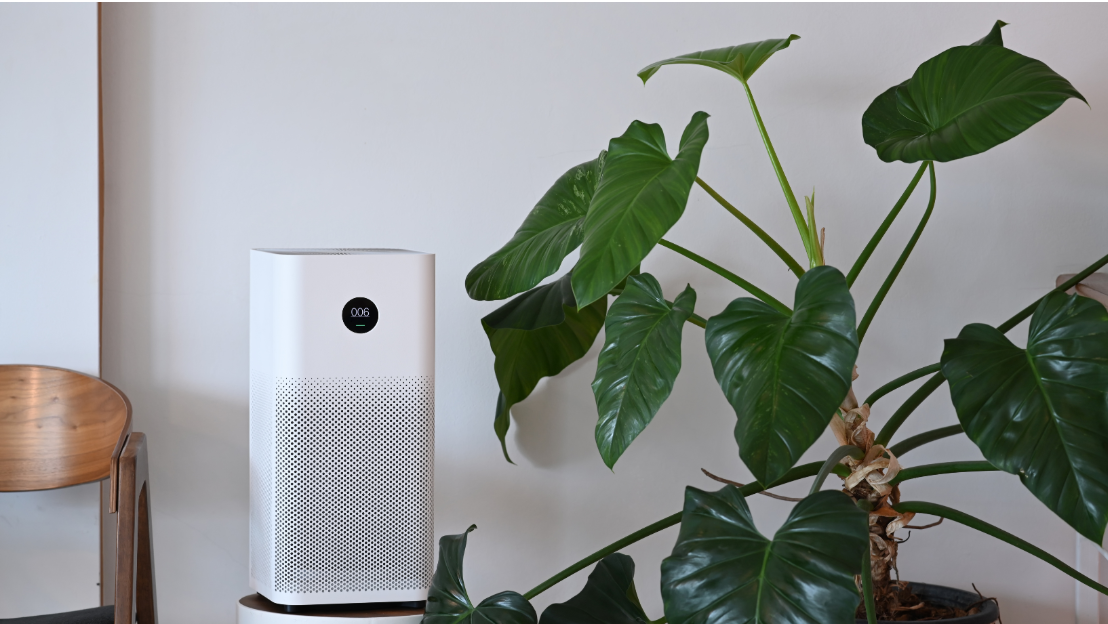
Formaldehyde is an “invisible threat” that may exist in many newly built or renovated homes without being easily detected. Warning signs such as persistent chemical odors, eye irritation, headaches, respiratory discomfort, or the extensive use of engineered wood furniture should never be ignored.
To protect your family’s health, proactively monitor your indoor air quality whenever unusual symptoms appear. When fast and thorough treatment is required, choosing a reputable professional Formaldehyde removal service is an effective solution for creating a cleaner, healthier, and safer living environment.
- KlinClean Provides Post-Event Cleaning Services Following the Car Launch at Toyota My Dinh
- 5 golden standards of a premium cleaning company in Ha Noi
- The impact of northern vietnam’s weather fluctuations on the demand for industrial cleaning in Ha Noi
- 5 factors determining the quality of office cleaning services in Ha Noi
- PROFESSIONAL OFFICE CLEANING TO SINGAPORE STANDARDS WITH KLINCLEAN