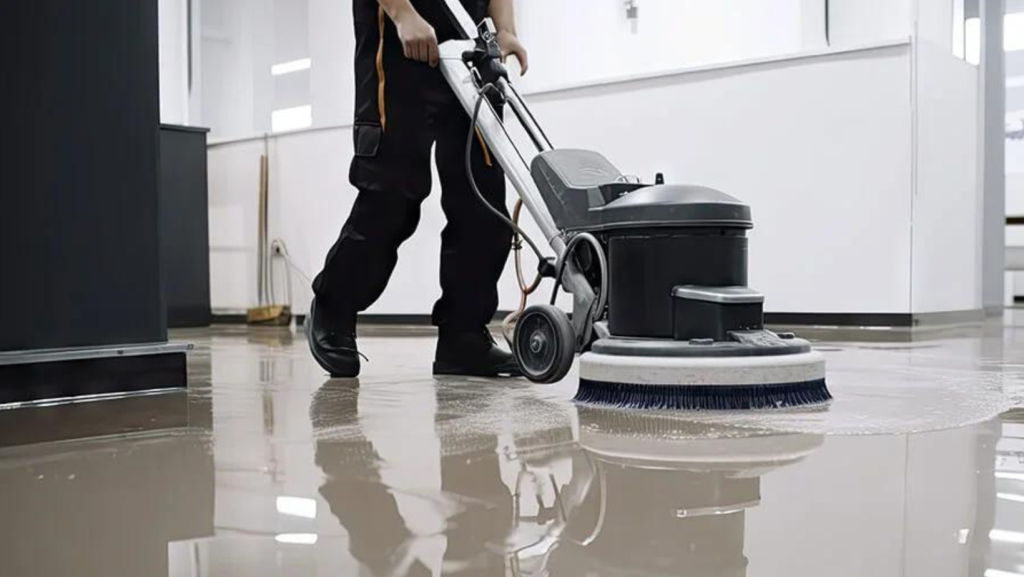
In an industrial production environment, cleaning is not merely about tidiness; it is inherently linked to occupational safety. Reality shows that many accidents during factory cleaning occur due to a lack of standardized procedures, insufficient training, or the incorrect use of equipment and chemicals.
For enterprises, especially large-scale factories, complying with occupational safety regulations in factory cleaning not only protects workers but also ensures continuous production, avoids legal risks, and prevents financial losses.
The following article provides a detailed analysis of the regulations, principles, and important notes to ensure safety during the factory cleaning process.
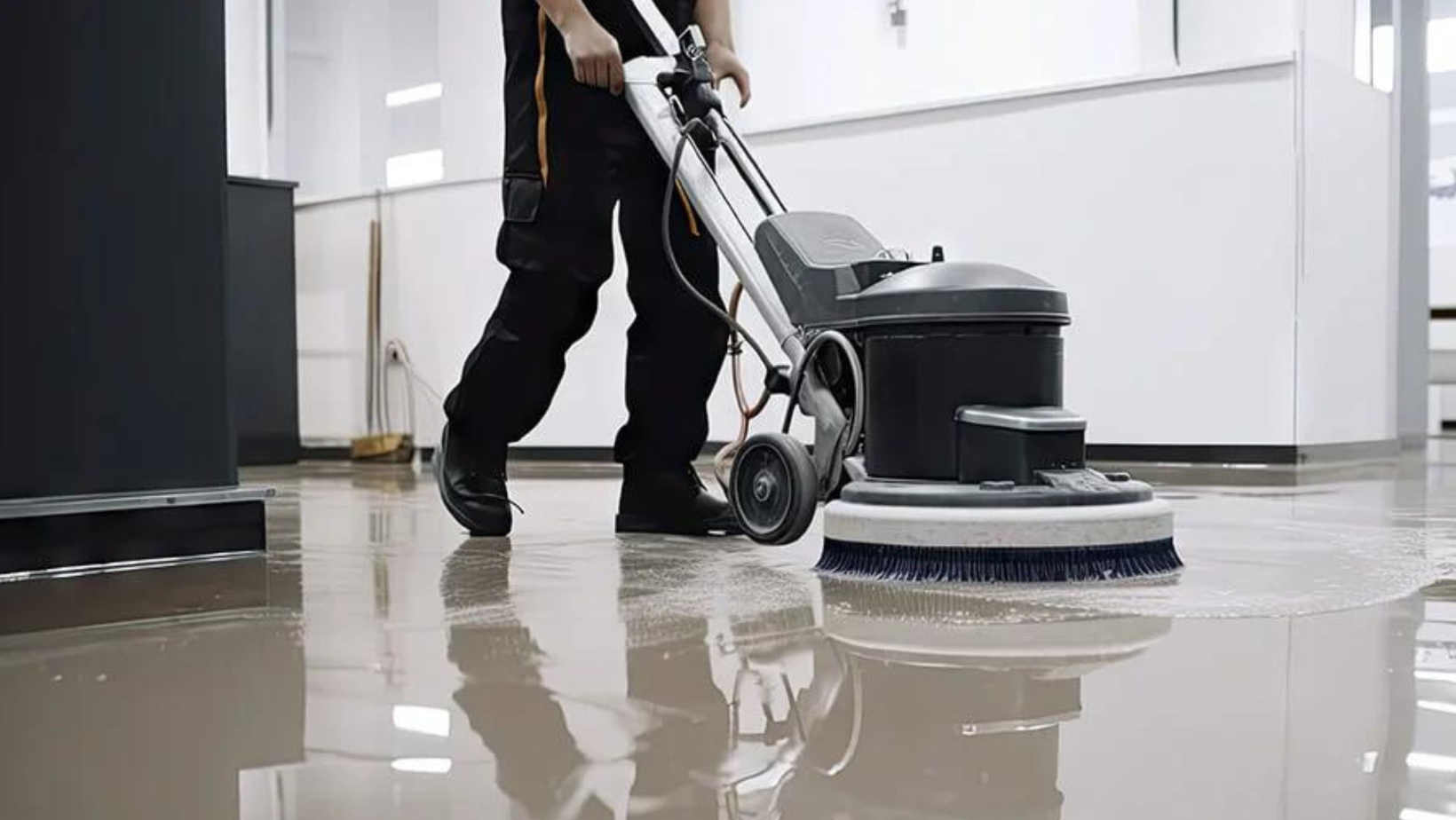
1. Why is occupational safety in factory cleaning particularly important?
Compared to conventional cleaning, factory cleaning takes place in a much more complex environment, including:
– Industrial machinery that is currently or has recently been operating.
– Corrosive cleaning chemicals.
– Slippery floors due to oil, grease, or water.
– Large spaces with many hazardous areas.
Even a small mistake can lead to:
– Severe occupational accidents.
– Equipment damage.
– Production downtime.
Therefore, occupational safety is not an option but a mandatory requirement in all cleaning activities.
2. Common risks in factory cleaning
To build a safety process, one must first identify the common risks.
Slip and fall risks
Workshop floors often contain:
– Water
– Oil and grease
– Chemicals This is the leading cause of accidents in cleaning.
Chemical risks
Using the wrong chemicals can cause:
– Skin burns
– Respiratory irritation
– Surface corrosion In many cases, cleaning staff are not fully trained on chemical handling.
Machinery risks
Cleaning near operating machinery or equipment that hasn’t been fully de-energized can lead to:
– Electric shock
– Entrapment of limbs
– Mechanical collisions
Working at heights risks
Certain items such as:
– Window cleaning
– Cleaning ceilings and ventilation systems These require working at heights, posing a risk of falls.
Environmental risks
During factory cleaning, the environment may involve:
– High temperatures
– Lack of ventilation
– Industrial dust
All of these impact the health of the workers.
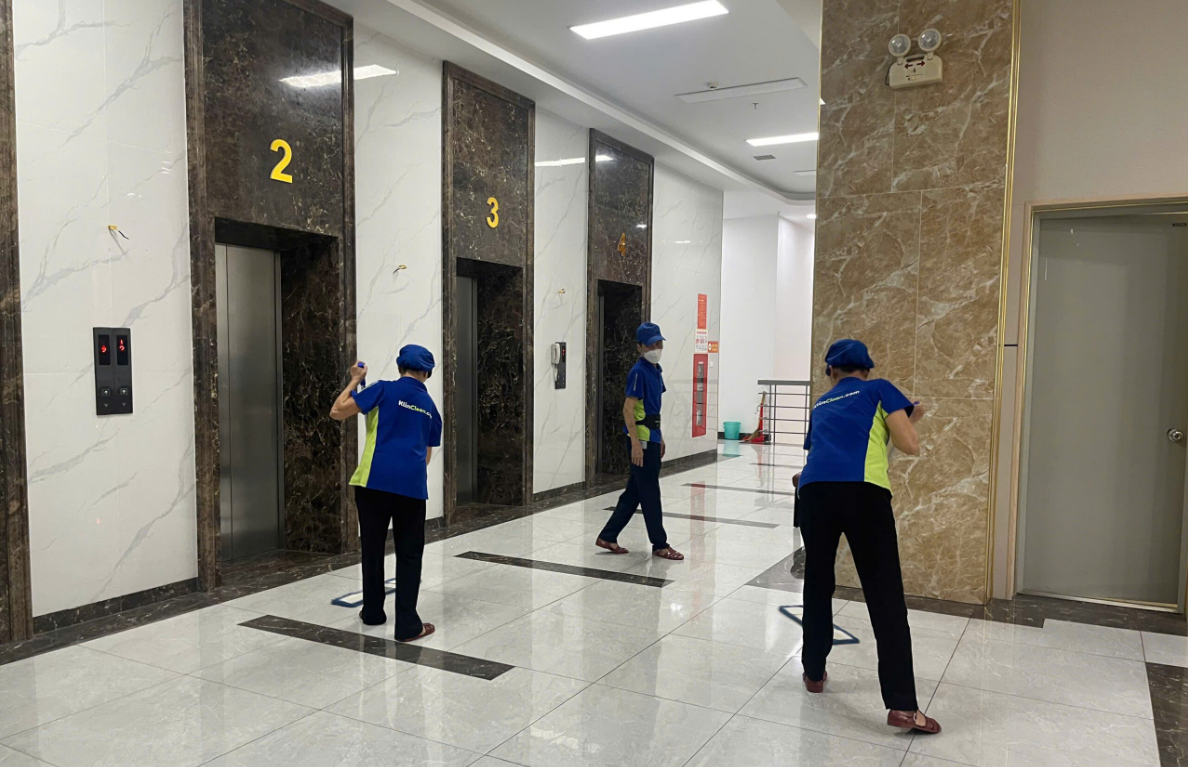
3. General regulations on occupational safety in factory cleaning
To minimize risks, enterprises must adhere to these basic principles:
Personnel training
Staff involved in factory cleaning must be trained in:
– Cleaning procedures
– Equipment operation
– Occupational safety knowledge
This is the foundational factor for preventing accidents.
Personal protective equipment (PPE)
Mandatory equipment includes:
– Gloves
– Anti-slip shoes
– Masks or respirators
– Safety goggles
The lack of PPE is a common cause of incidents in factory cleaning.
Pre-use equipment inspection
All machinery and tools must be:
– Checked for operational status
– Inspected for electrical leaks
– Used for their intended purpose
Warning signs and zoning
During the cleaning process, it is necessary to:
– Place “Wet floor” warning signs
– Zone off the cleaning area
– Restrict unauthorized personnel
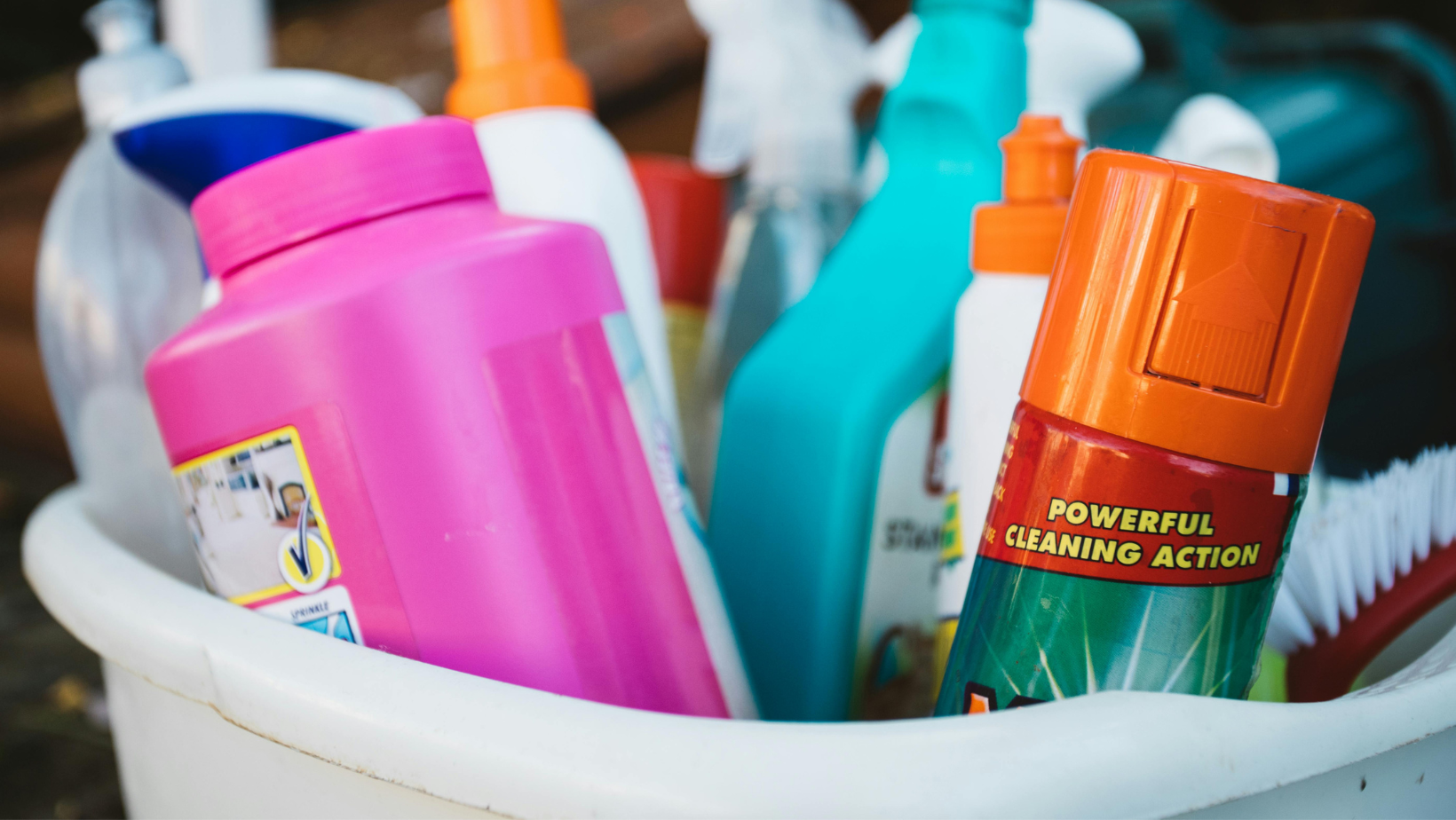
4. Safety regulations when ssing chemicals
Chemicals are essential but pose significant risks in factory cleaning.
Principles of use
– Only use permitted chemicals.
– Dilute to the correct ratio.
– Never mix chemicals of unknown origin.
Chemical storage
– Store in a cool, dry place.
– Ensure clear labeling.
– Keep away from heat sources.
Incident handling
In case of chemical contact:
– Rinse immediately with clean water.
– Report to management.
– Provide timely first aid.
5. Safety when working with machinery
In factory cleaning, cleaning near machinery must be strictly regulated.
Disconnecting power
Before cleaning:
– Turn off the machine.
– Completely disconnect the power source.
– Hang warning tags (Lockout/Tagout).
No operation without inspection
Machinery must be thoroughly checked before use to avoid incidents.
Operational training
Only trained personnel are allowed to operate cleaning equipment.
6. Safety when working at heights
For high-level items in factory cleaning, it is required to:
– Use standard scaffolding or ladders.
– Wear safety harnesses.
– Have a supervisor present.
Working alone in hazardous areas is strictly prohibited.
7. Standard safety cleaning process in factories
A standard process usually includes:
-
Area survey
-
Risk assessment
-
Preparation of equipment and PPE
-
Execution of cleaning by area
-
Inspection and handover Professional units always apply this process in cleaning to ensure safety and efficiency.
8. The role of enterprises and cleaning units
Occupational safety is not just the responsibility of the worker but also the enterprise.
Enterprises should:
– Establish clear procedures.
– Maintain regular supervision.
– Invest in equipment and training.
For units providing cleaning services, compliance with safety standards is a mandatory factor to maintain reputation and service quality.
9. Benefits of ensuring safety in factory cleaning
Adhering to occupational safety brings many benefits:
– Minimizing accidents.
– Increasing work efficiency.
– Protecting equipment.
– Enhancing the corporate image.
In the long run, this is the factor that makes cleaning operations more sustainable and effective.

Factory cleaning is a vital activity but carries many risks if not performed correctly. Adhering to occupational safety regulations not only protects workers but also ensures the quality and progress of the work.
In the context of increasingly modern production, enterprises should view factory cleaning as part of the overall management system rather than just an auxiliary task. Investing in safety is an investment in long-term development.